
This past summer we had to say an unexpected goodbye to our beloved family dog, Tuney. There is often a predictable response to the loss of a pet: the feeling that this grief isn’t as important as other, bigger losses in the world…followed by relentless sobbing.
After all, family is family. Grief is grief.
The night Tuney died, we sat in our now-hollow house, disoriented by the absence of her padded footsteps. This was not our first goodbye to a family dog. I said things to my kids that I knew from experience were important to say out loud: “This is so, so hard right now. You might cry. You might not. You might want to hang out with your friends. You might not. You might be excited and distracted by other things. I will probably be crying a lot this week, and that’s okay too. It’s not your job to take care of me. Remember, we will figure it out together.”
While I meant every word it was my twelve-year-old son who showed me what this looks like in practice.
I got up early the next morning and found that he was already awake and curled up on the couch. The night before, he had told me that though it might be hard to pull himself together to attend the last day of camp, he wanted to try. I sat down hoping to comfort him and did my best to pull myself together in solidarity. I was decidedly unsuccessful. Tears started streaming down my cheeks almost immediately.
I closed my eyes and was attempting some deep breaths when I felt his hand slip into mine. His interlaced fingers provided warm and much-needed comfort. We sat that way for a long time before he slowly withdrew his hand and said simply, “I’m going to get my bag together for camp.”
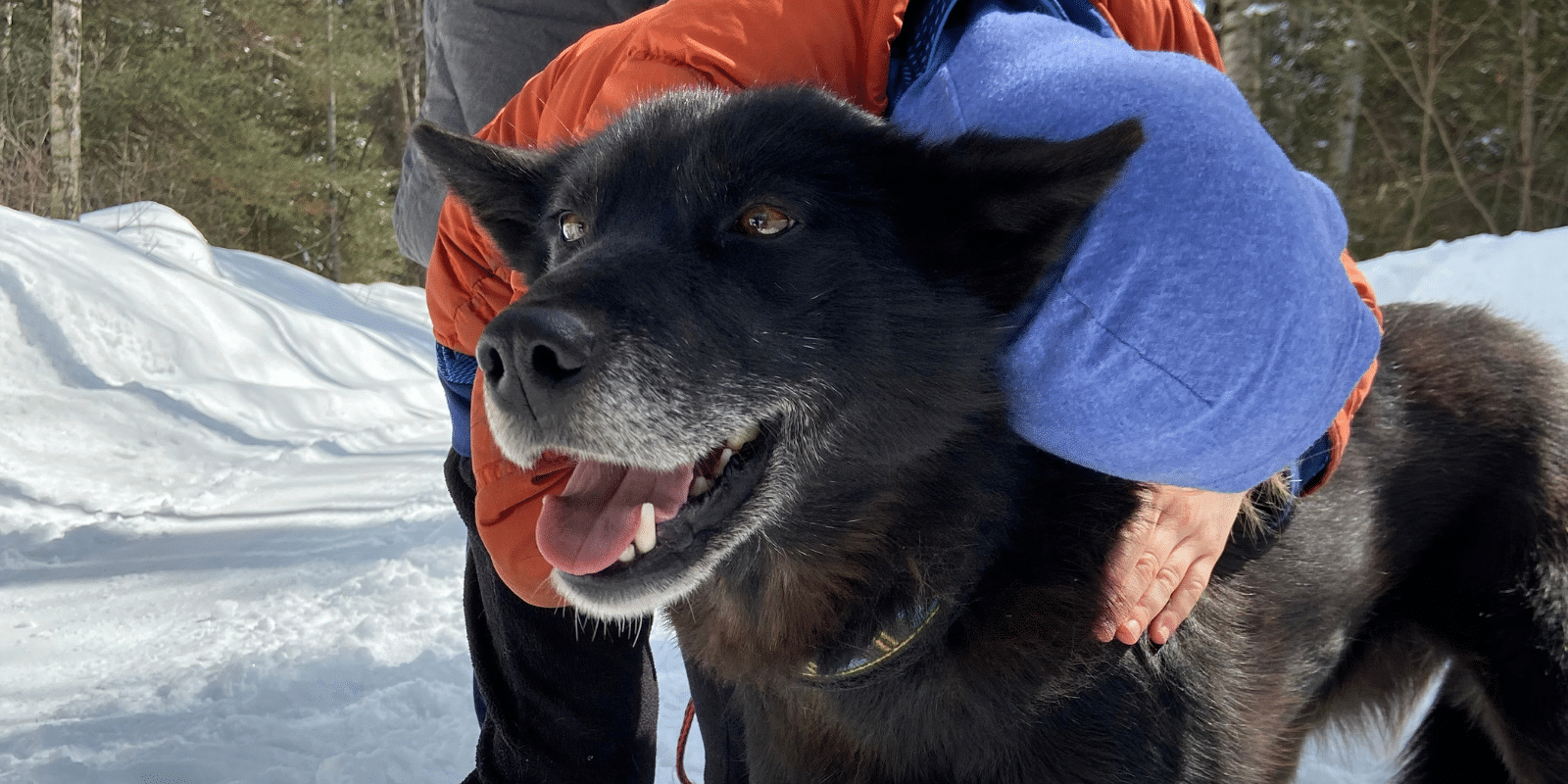
Tuney
We met Tuney on the same day in 2020 that the Governor of Minnesota announced the first “stay at home” order to slow the spread of COVID-19. His twenty-four-hour warning gave us just enough time to pack our car in Minneapolis, drive to a small town in Northern Minnesota, and walk through over one hundred small outdoor dog houses to meet the sled dog that would soon become an integral member of our family.
We learned that Neptune (a formal name we only used at the veterinarian’s office) was being assigned early retirement from her dogsledding career because she suffered joint pain after days on the trail.
“Will we still be able to walk and run with her?” I asked the musher who owned and ran the yard.
“Do you run thirty miles a day?” he responded. I laughed, getting the message that while she was retiring from being a professional athlete, she would happily accompany us on any of our outings.
Tuney was an exceedingly gentle and strong three-year-old Alaskan husky, all black with white feet and a small white star on her chest. My then-five-year-old noted that she looked like a wolf and gave good husky hugs. His eight-year-old brother agreed. “Let’s take her home,” he said.
At that moment, we didn’t yet know that this dog would be our tender leader on countless walks through our neighborhood and local parks. At that moment, we didn’t know that those walks would feel among the safest and most accessible activities in the months ahead. We didn’t know how much we would come to rely on her stamina and her husky hugs – and how much we would benefit from sitting next to her calm, close body when the world and our city felt upside down, over and over again.
“Adults always try to fix things.”
When my son got home from camp the day after Tuney died, I thanked him for sitting with me. I told him that it was a skilled and generous thing to do and that it was deeply comforting.
“Of course,” he said. “That’s what I want when I am sad.” After a few moments of quiet he followed up with, “I feel like adults always try to fix things instead.”
Just like that, my son had offered me two meaningful gifts on a very difficult day. He modeled how to show up for someone in pain. And then he named, with total clarity, the thing adults so often get wrong.
He’s not the only young person who has noticed this. Zach Gottlieb, the then 17-year-old founder of the youth mental health platform Talk With Zach, shared this on an episode of Adaptivity, a podcast hosted by the UCLA Center for the Developing Adolescent:
“I feel like a lot of parents want to jump in and get their kids through something. But what a lot of times is more helpful is literally just like listening to your kid…that can be really healing and help them feel seen, but also help them get through it… It’s okay to feel bad.”
A parent’s ability to sit with intense feelings is tested in unique ways during adolescence. Emotional storms are part of the package. Young people are also in a developmental window where they are busily exploring questions like: Where do I belong? What am I capable of? Who cares what I have to say? Teenagers are finely tuned to how adults treat and see them. When we rush in with solutions, we might miss what they actually need in that moment or inadvertently imply that they aren’t capable of generating their own solutions.
In an article for the New York Times, adolescent psychologist Lisa Damour lovingly reminds us that teenagers often reject parents’ solutions to their problems because solutions aren’t what they are looking for. She writes,
“Much of what bothers teenagers cannot be solved. We can’t fix their broken hearts, prevent their social dramas, or do anything about the fact that they have three huge tests scheduled for the same day. But having a problem is not nearly so bad as feeling utterly alone with it.”
When someone is in distress, our primary job isn’t to fix it. It’s to make sure they don’t feel alone. Problem solving, cheerleading, and perspective taking can come later, if needed. But it’s more likely to go well if we don’t skip over the first part.
Easier said than done
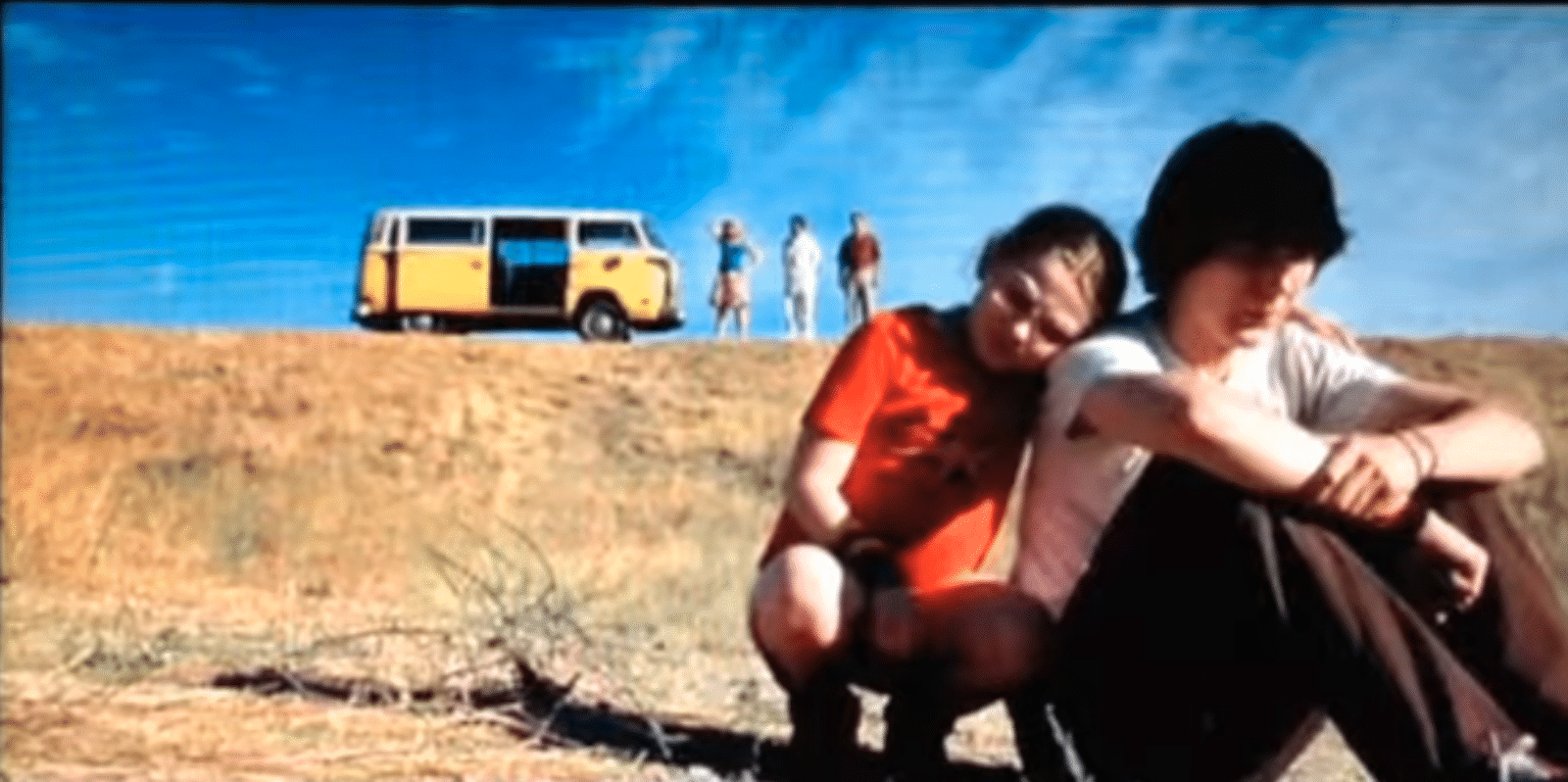
I understand this on a cognitive level. Putting it into practice as a parent is more difficult. Raising kids is like having our hearts walk around outside of our chests. No matter their age, our kids’ distress, rage, grief, and sadness are uniquely painful to witness. Who wouldn’t want to fix it? When I facilitate workshops on parenting adolescents, I often show a short clip from Little Miss Sunshine, as much a reminder for me as for the parents in the room.
In the scene, Dwayne has just received devastating news on a family road trip. His parents pull over the family van and he practically throws himself out to get space for his grief. I identify with his parents, who cajole, lament, and call for him to get back to the van parked precariously on the side of the road. Then Dwayne’s little sister Olive shows us how it is done. She teeters down the dusty hill toward her brother in her bright red cowboy boots. When she reaches him, she doesn’t deliver a long well-rehearsed speech or a string of reassurances. She simply sits next to him and puts her head on his shoulder.
After a couple of minutes, Dwayne stands up and together they walk back to the van.
A steady companion
Each of us will experience intense sadness in our lifetimes. Other emotions will visit too, including anger, frustration, overwhelm, embarrassment, and rage. Living and loving, after all, is an endurance sport.
Whatever form those feelings take, grief expert David Kessler reminds us of what we all share: “Each person’s grief is as unique as their fingerprint. But what everyone has in common is that no matter how they grieve, they share a need for their grief to be witnessed.”
As a family, we’ve recently been brainstorming ways to honor Tuney. The vet gave us her paw print pressed into clay. We have approximately one thousand photos of her pulling children in sleds through the snow. But perhaps the best way to honor her is to do what she did so well, and what my son offered me the morning after she passed: walk alongside each other when grief bowls us over or the world feels upside down, and be a steady presence that communicates, consistently and clearly, “this is so, so hard right now, and you are not alone.”